Health Risks Associated With Mice and Rats in Buildings
To reduce health risks associated with mice and rats in buildings, local contractors can provide effective pest control services to eliminate these pests safely and thoroughly.
People who own or manage buildings in the area may find it important to understand the health risks associated with mice and rats in buildings. These rodents are more than just a nuisance; they can carry and transmit a variety of illnesses that pose serious health concerns for residents, employees, or visitors. Recognizing the potential dangers can motivate property owners to take proactive steps to prevent infestations and safeguard the well-being of everyone on the premises.
Engaging with experienced local contractors who specialize in mice and rat pest control offers practical solutions to address these health risks effectively. These professionals can identify signs of rodent activity, implement targeted removal strategies, and help establish barriers to prevent future problems. Exploring these services can be a valuable part of maintaining a safe, healthy environment in any building.
- Mouse and Rat Pest Control Services - when signs of rodent activity are detected in a building, local contractors assess entry points and implement trapping or exclusion methods to reduce health risks associated with mice and rats in buildings.
- Rodent Removal and Exclusion - if rodents are suspected to be present, service providers use targeted removal techniques and seal entry points to prevent further infestation and minimize associated health hazards.
- Sanitation and Cleanup Services - after rodent removal, professionals clean and disinfect affected areas to eliminate droppings and urine that can carry disease, addressing health risks associated with mice and rats in buildings.
- Infestation Inspection Services - when there is concern about hidden rodent nests, local pros conduct thorough inspections to identify and eliminate sources of health risks associated with mice and rats in buildings.
- Preventative Rodent Control Programs - to reduce the likelihood of future health risks associated with mice and rats in buildings, service providers offer ongoing monitoring and preventative treatments tailored to the property.
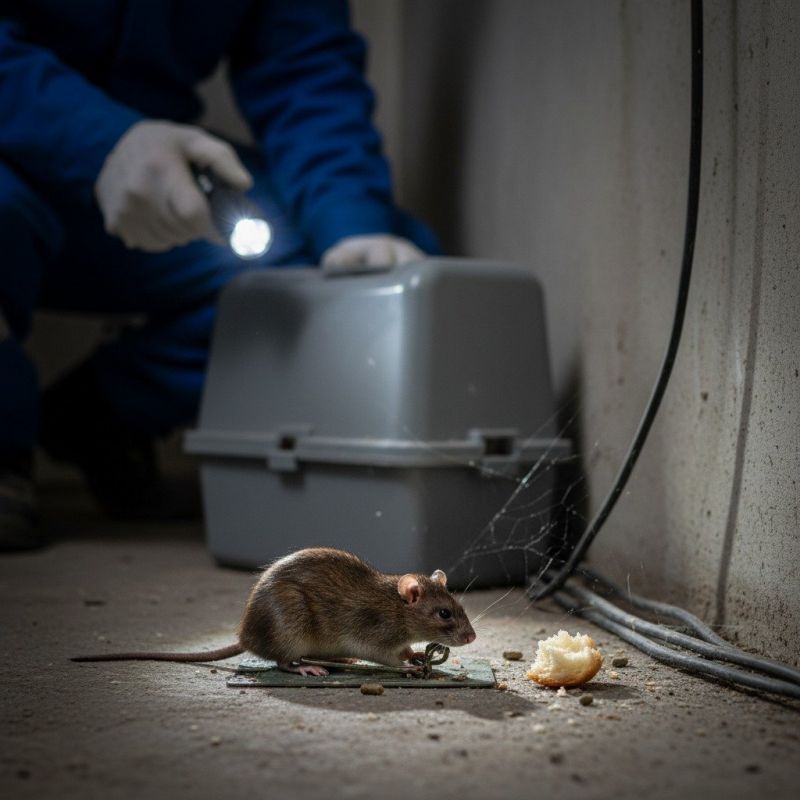
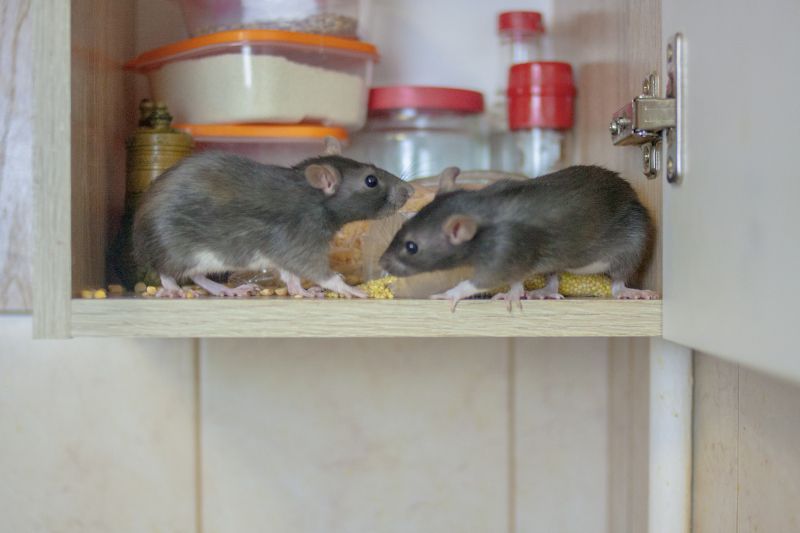
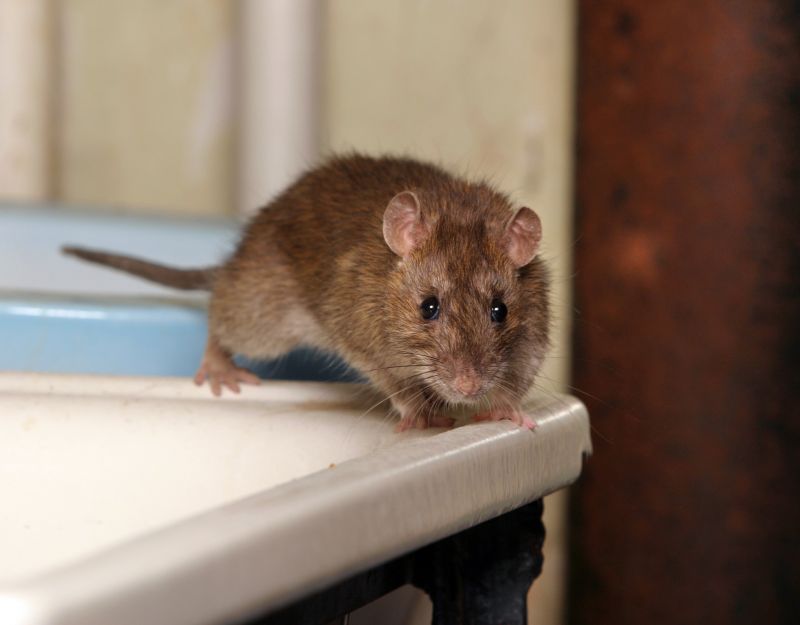
When people search for information about health risks associated with mice and rats in buildings, they are often concerned about the potential dangers these pests pose to their health and well-being. Mice and rats are known to carry and transmit a variety of diseases, some of which can be serious or even life-threatening. This search often stems from worries about contamination of food supplies, exposure to droppings or urine, and the possibility of bites or scratches. Homeowners may also be looking to understand how these pests can impact their living environment and what steps are necessary to eliminate or prevent health hazards caused by rodent infestations.
This topic relates to problems such as contamination of kitchen areas, food storage spaces, and other parts of the home where mice and rats may enter and settle. It also ties into plans for pest prevention, property sanitation, and structural repairs to block entry points. Homeowners dealing with rodent issues often consider integrated pest management strategies that include professional services. Local contractors specializing in mice and rat pest control play a critical role in identifying infestation sources, removing pests safely, and implementing measures to prevent future health risks. Their expertise helps ensure that homes are not only free of pests but also protected from the health hazards rodents can bring.
Properties that typically come up in these discussions include residential homes, especially those with basements, attics, or walls that provide hiding spots for rodents. Commercial buildings such as restaurants, food storage facilities, and warehouses are also common sites of concern due to the higher risk of contamination and disease transmission. Multi-family housing units, including apartment complexes, often face challenges with rodent control because of shared walls and common spaces. In all these cases, addressing health risks associated with mice and rats involves thorough inspection, targeted pest removal, and ongoing prevention efforts-services that local pest control providers are equipped to handle.
Understanding the health risks associated with mice and rats in buildings is essential for homeowners and property managers aiming to protect their environments. Rodents can carry pathogens like salmonella, hantavirus, and leptospira, which can cause illnesses in humans. They also contribute to allergic reactions and asthma symptoms through their droppings, urine, and shed fur. Recognizing these health hazards highlights the importance of professional pest control services to effectively manage infestations. Local contractors can assess the specific risks present in a property, implement safe removal techniques, and help establish barriers to prevent future rodent-related health issues, ensuring a safer living or working space.
Wildlife Removal Projects - professionals who handle the safe removal of rodents like mice and rats can also address other urban wildlife that may contribute to health risks in buildings.
Pest Inspection Services - these projects involve thorough assessments to identify rodent entry points and nesting areas, helping to prevent health issues caused by mice and rats.
Building Damage Repair - contractors specializing in fixing structural damages caused by rodent activity can help reduce shelter and entry sites for mice and rats, lowering health risks.
Sanitation and Cleanup Projects - local service providers offering cleanup after rodent infestations can mitigate health hazards linked to droppings and contaminated nesting materials.
Structural Pest Management - integrated pest control plans often include sealing entry points and applying treatments that prevent mice and rats from entering buildings, reducing health concerns.
Rodent Proofing Services - experts who install barriers and exclusion devices help prevent rodent entry, decreasing the potential for associated health risks in indoor spaces.
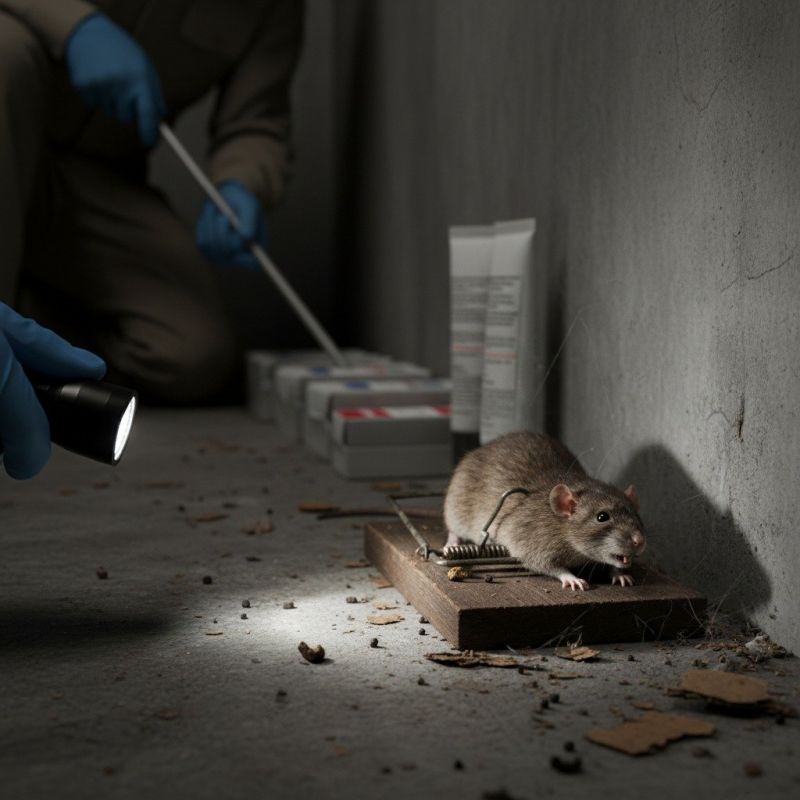
When comparing local contractors for mice and rat pest control services, it is important to consider their experience with similar projects. An experienced service provider will have a better understanding of the health risks associated with mice and rats in buildings and know how to effectively address these concerns. They can provide insights into the most appropriate methods for identifying entry points, assessing the severity of the infestation, and implementing targeted solutions that minimize health hazards. Selecting a contractor with a proven track record in handling such issues can help ensure the job is done thoroughly and safely.
Clear written expectations are essential when evaluating potential service providers. A reputable local contractor should be able to outline in detail what their pest control process involves, including steps taken to reduce health risks associated with mice and rats in buildings. This transparency helps homeowners understand what to anticipate and ensures there are no surprises during the project. Additionally, clear expectations foster better communication and accountability, making it easier to address any questions or concerns that may arise during the course of the work.
Reputable references and good communication are key factors to consider when choosing a local contractor. A dependable service provider should be willing to share references from previous clients who faced similar issues with mice and rats in buildings. Contacting these references can provide valuable insights into the contractor’s reliability, professionalism, and effectiveness in managing health risks. Furthermore, good communication ensures that homeowners can easily ask questions, receive updates, and feel confident about the approach being taken to reduce health hazards. This collaborative approach helps ensure the pest control services meet expectations and effectively address health concerns related to mice and rats.
Property owners often search for health risks associated with mice and rats in buildings when they are planning practical projects around their homes and businesses. Local pros provide Mice and Rat Pest Control services for everyday jobs and straightforward project options.
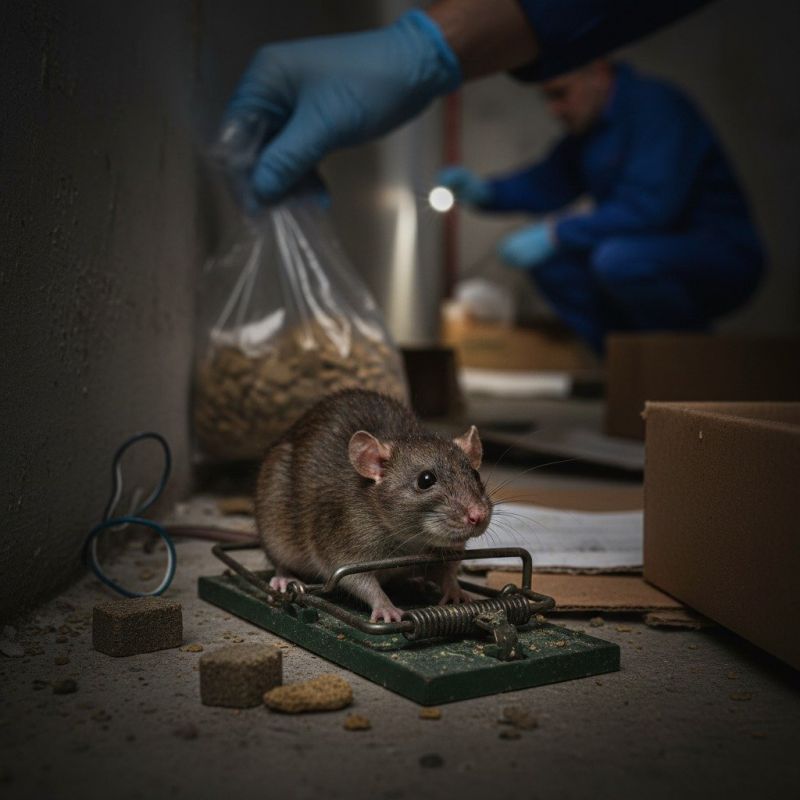

Understanding the health risks associated with mice and rats in buildings is an important concern for property owners in the area. These rodents can carry and transmit various diseases, including hantavirus, leptospirosis, and salmonella, which pose serious health threats to residents and visitors. Additionally, their droppings, urine, and nesting materials can contaminate surfaces and food supplies, increasing the potential for illness. Property owners often seek out pest control services to address these issues promptly and effectively, ensuring a safer environment for everyone.
When signs of rodent activity are noticed, such as droppings, chewed wires, or strange odors, it’s wise to consider professional pest control options. Local contractors who specialize in mice and rat pest control can assess the situation, identify entry points, and implement targeted measures to eliminate these pests. Engaging experienced service providers helps reduce the health risks associated with mice and rats in buildings and prevents future infestations, creating a healthier space for occupants.
What health risks are associated with mice and rats in buildings? Mice and rats can carry diseases such as hantavirus, salmonella, and leptospirosis, which can pose serious health risks to occupants. Local contractors experienced in pest control can help eliminate these pests and reduce health hazards.
How can mice and rats affect indoor air quality? The droppings, urine, and nesting materials of mice and rats can release allergens and pathogens into the air, potentially causing respiratory issues. Pest control professionals can remove these pests and their debris to improve indoor air safety.
Are there risks of bites or scratches from mice and rats? Yes, mice and rats may bite or scratch if threatened, which can lead to infections or transmission of diseases. Local service providers can effectively trap and remove these rodents to prevent such incidents.
Can mice and rats cause structural damage that impacts health? Yes, gnawing on wires, insulation, and building materials can create fire hazards and mold issues, increasing health risks. Pest control experts can address infestations to help protect both the building and occupant health.
Why is professional pest control important for health risk mitigation? Professionals have the tools and knowledge to safely remove mice and rats, reducing the spread of disease and contamination risks associated with these pests in buildings.
Identify entry points - property owners can work with local contractors to find and seal gaps that allow mice and rats to enter buildings, reducing health risks.
Implement sanitation measures - keeping areas clean and free of food debris helps minimize attractants that increase rodent-related health hazards.
Schedule regular inspections - routine assessments by local pros can detect early signs of rodent activity and prevent health issues before they escalate.
Establish ongoing pest control - partnering with local service providers ensures continuous management of mice and rat populations, lowering associated health risks.
If you are thinking about health risks associated with mice and rats in buildings for a property, this guide is meant to help you understand this topic, the typical project types, and how different options might fit your plans.
When you are ready, you can use the quote form on this page to share a few details about your project. From there, local pros can review the basics and follow up with options that match what you have in mind.