Common Entry Points Rodents Use to Access Properties
Local contractors specializing in rodent pest control can identify and seal common entry points rodents use to access properties, helping prevent infestations effectively.
Understanding the common entry points rodents use to access properties is a crucial step for property owners looking to prevent infestations. Rodents are adept at finding small openings, cracks, and gaps around the exterior of a building-whether around doors, windows, vents, or utility lines-that serve as convenient pathways inside. Recognizing these vulnerabilities can help homeowners and business owners take practical steps to secure their spaces, reducing the risk of unwanted visitors and potential damage. Local contractors specializing in rodent pest control are well-versed in identifying these entry points and can provide tailored solutions to keep rodents out of the property.
Exploring how rodents gain entry offers valuable insight into effective prevention strategies. Many property owners in the area find that sealing potential entry points is an essential part of ongoing pest management. Professionals in rodent pest control can assess a property’s unique vulnerabilities and recommend appropriate measures to block access, such as sealing gaps or installing barriers. Keeping rodents from entering not only minimizes the nuisance but also helps protect the integrity of the property and the health of its occupants. For those interested in safeguarding their spaces, understanding these entry points can be a practical first step toward a rodent-free environment.
- Property owners noticing rodent activity may need local contractors to identify and seal common entry points rodents use to access properties. - When rodents are found inside a building, local service providers can inspect for and block entry points like gaps and holes that rodents commonly use. - In cases of ongoing rodent issues, local pros evaluate structural vulnerabilities such as vents, pipes, and utility openings that serve as access points. - If rodents are suspected to be entering through the roof or attic, local contractors can locate and secure roof vents, soffits, and other potential entry sites. - Property owners seeking to prevent future infestations may work with local specialists to identify and eliminate common entry points rodents use to access homes or businesses.
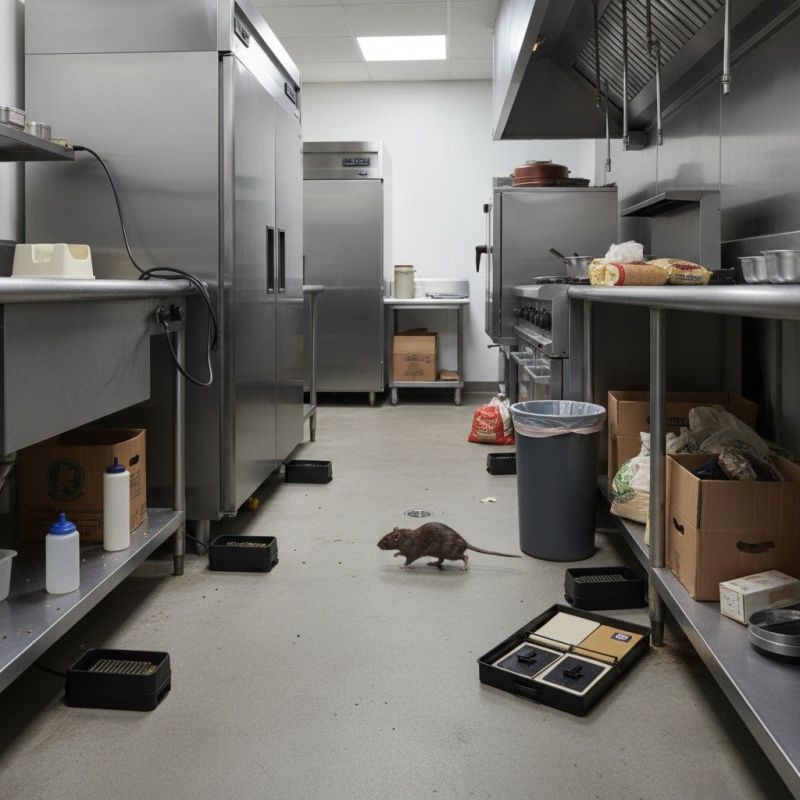

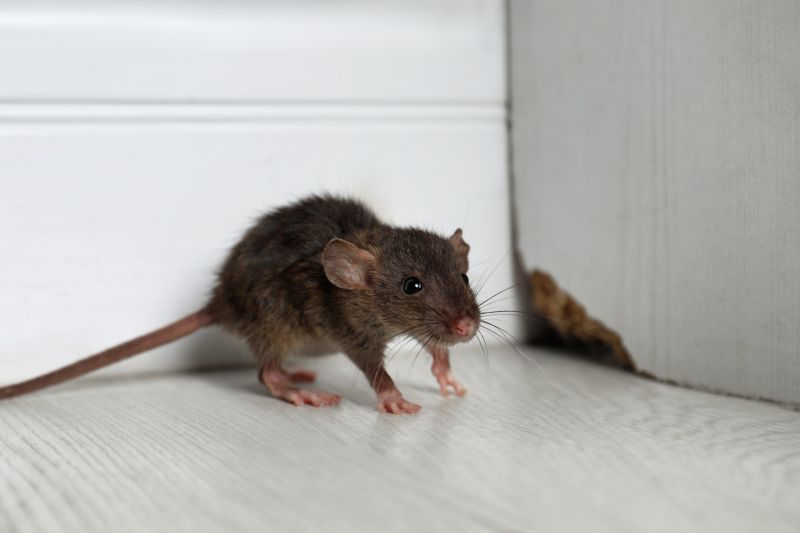
Understanding the common entry points rodents use to access properties is essential for homeowners dealing with or preventing rodent infestations. When searching this topic, many people are looking to identify how rodents, such as mice and rats, gain entry into their homes or commercial buildings. These entry points are often small openings or vulnerabilities in the structure that rodents can exploit to gain access. Recognizing these potential access points helps homeowners develop effective strategies for sealing and securing their properties, reducing the likelihood of future invasions. Local pest control service providers can assist by inspecting properties for these entry points and advising on appropriate sealing or exclusion measures.
The problems associated with rodents entering a property often involve damage to the building's structure, contamination of food supplies, and health risks due to droppings and nesting materials. Property owners may also face ongoing infestations that are difficult to control without addressing the root causes of entry. Many plans for rodent control include identifying and sealing off entry points as a key step in an integrated approach. Local contractors specializing in rodent control can perform thorough inspections, pinpoint the specific entry points, and implement exclusion techniques that help prevent rodents from re-entering. This proactive approach is vital for maintaining a rodent-free environment and protecting the property's integrity.
Properties that typically come up in discussions about entry points include residential homes, warehouses, commercial buildings, and even outbuildings like sheds or garages. These structures often have vulnerabilities such as gaps around doors and windows, holes in the foundation, or damaged vents that rodents can exploit. Older buildings tend to be more susceptible due to aging materials and less effective sealing, but newer constructions are not immune if proper precautions aren’t taken. Homeowners and property managers should be aware of these common vulnerabilities and consider professional inspections to identify potential entry points early. Local pest control providers are well-equipped to evaluate various property types and recommend targeted exclusion solutions.
Addressing common entry points rodents use to access properties is a practical part of ongoing pest management. By understanding where and how rodents typically gain entry, homeowners can take proactive steps to reinforce vulnerable areas. Local service providers specializing in rodent exclusion can offer expert assessments, identify hidden vulnerabilities, and suggest effective sealing methods. This collaborative effort helps create a barrier that keeps rodents out and minimizes the risk of infestations. Whether dealing with a current problem or seeking to prevent future issues, knowing the common entry points is a critical part of maintaining a rodent-free property.
Home Inspection Projects - inspecting properties for potential entry points rodents may use helps identify vulnerabilities that local contractors can address to prevent infestations.
Building Repair and Sealing Projects - sealing gaps, cracks, and openings in structures is a common task for service providers specializing in pest-proofing to block rodent access.
Foundation and Basement Waterproofing - waterproofing projects often involve identifying and sealing entry points rodents use to access basements or crawl spaces.
Attic and Roof Vent Repair - repairing or installing vents and soffits is related to preventing rodents from entering through roof lines or attic spaces.
Gutter and Drainage System Projects - ensuring proper drainage and sealing around gutters can reduce rodent entry points near rooflines and exterior walls.
Exterior Siding and Wall Repair - fixing damaged siding or wall openings is a key part of preventing rodents from gaining access through exterior structures.

When comparing local contractors for rodent pest control, it’s important to consider their experience with similar projects. Homeowners should inquire about the types of properties they have worked with and their familiarity with common entry points rodents use to access properties. An experienced service provider will understand how rodents typically enter buildings and can provide insights into effective identification and sealing of these entry points. This background helps ensure that the contractor has the practical knowledge necessary to address the specific vulnerabilities of a property and implement targeted solutions.
Clear, written expectations are essential when evaluating potential service providers. Homeowners should seek detailed descriptions of the scope of work, including inspection procedures, methods for sealing entry points, and follow-up measures. Having this information in writing helps prevent misunderstandings and provides a basis for assessing whether the contractor’s approach aligns with the homeowner’s needs. Additionally, understanding what is included in the service and any recommended ongoing maintenance can contribute to a more comprehensive rodent management plan.
Reputable references and effective communication are key factors in selecting a reliable local contractor. Homeowners are encouraged to ask for references from previous clients who had similar rodent entry point issues, as this can offer insights into the contractor’s reliability and quality of work. Good communication involves timely responses to questions, clear explanations of recommended procedures, and openness to discussing concerns. Choosing a service provider who demonstrates transparency and responsiveness can lead to a smoother process and greater confidence in addressing common entry points rodents use to access properties.
Property owners often search for common entry points rodents use to access properties when they are planning practical projects around their homes and businesses. Local pros provide Rodent Pest Control services for everyday jobs and straightforward project options.

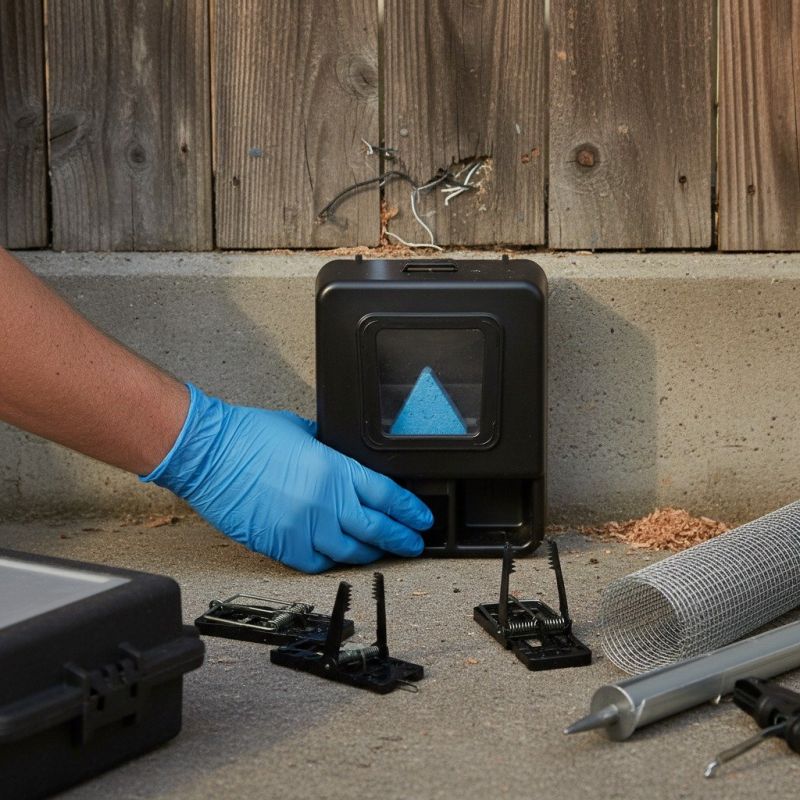
Understanding the common entry points rodents use to access properties is a key step in preventing infestations. Many rodents find ways inside through small openings around doors, windows, and vents, especially if these areas are damaged or poorly sealed. Gaps around utility lines, pipes, and foundation cracks also serve as easy access points. Property owners in the area often look into these entry points when they notice signs of rodent activity or want to protect their homes from future problems. Local contractors experienced in rodent pest control can assess these vulnerabilities and recommend effective sealing or exclusion methods to keep rodents out.
In addition to structural gaps, rodents may gain entry through cluttered or overgrown yards, where debris provides cover and access routes. Attics, basements, and crawl spaces are common targets if vents or access panels are unsecured. Property owners seeking to address rodent concerns often turn to local service providers for professional inspections and repairs. These experts can identify and block the most common entry points rodents use, helping to prevent ongoing issues and protect the property’s integrity.
What are common entry points rodents use to access properties? Rodents often enter buildings through small openings around doors, windows, vents, and utility lines, as well as gaps in the foundation or walls. Local contractors can identify and seal these entry points to prevent infestations.
How do rodents typically get inside a property? Rodents usually gain access by squeezing through tiny holes, cracks, or gaps in the exterior structure. Professional pest control services can inspect and block these access points effectively.
Which areas around a property are most vulnerable to rodent entry? Vulnerable areas include attic vents, garage doors, foundation cracks, and gaps around pipes or cables. Local service providers can assess these spots and recommend appropriate sealing solutions.
Are trees or shrubs near the property potential entry points for rodents? Yes, overhanging branches or dense shrubs can provide rodents with easy access to roofs or walls. Local pros can advise on trimming and maintaining landscaping to reduce entry risks.
Can rodents enter through utility openings or vents? Yes, rodents can exploit gaps around utility openings, vents, and exhaust pipes. Professional pest control specialists can help secure these areas to block potential entry routes.
Inspect foundation and walls - Regularly examining the foundation and exterior walls can help identify small cracks or gaps that rodents may use to enter.
Seal entry points - Applying durable sealants to gaps around windows, doors, and utility lines can prevent rodents from gaining access.
Manage landscaping - Trimming trees and shrubs away from the building reduces potential pathways and access points for rodents.
Install barriers and screens - Using mesh or other barriers around vents and openings can block common entry points rodents might exploit.
If you are thinking about common entry points rodents use to access properties for a property, this guide is meant to help you understand this topic, the typical project types, and how different options might fit your plans.
When you are ready, you can use the quote form on this page to share a few details about your project. From there, local pros can review the basics and follow up with options that match what you have in mind.